
Catalogue
Venus Flytraps

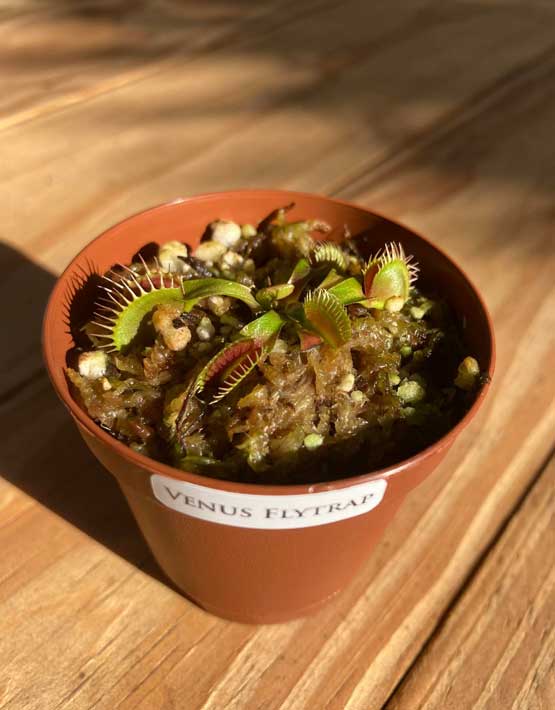
Dionaea Muscipula - Venus Flytraps
Charles Darwin called the Venus Flytrap “the most wonderful plant in the world”. Its Latin name Dionaea muscipula partly commemorates Venus, the goddess of beauty.
Dionaea Muscipula - Venus Flytraps
Charles Darwin called the Venus Flytrap “the most wonderful plant in the world”. Its Latin name Dionaea muscipula partly commemorates Venus, the goddess of beauty.
Venus flytraps are native to a small coastal area of North – and South Carolina in the USA. The climate is warm and humid in summer and chilly to frosty in the winter with occasional snowfall.
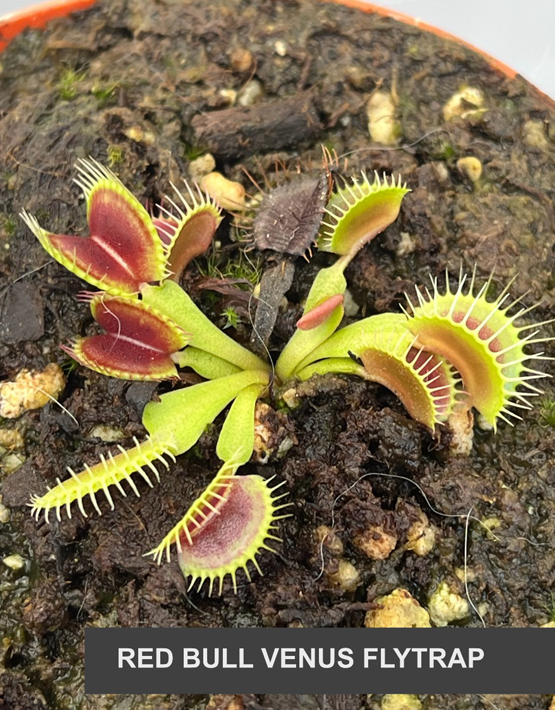
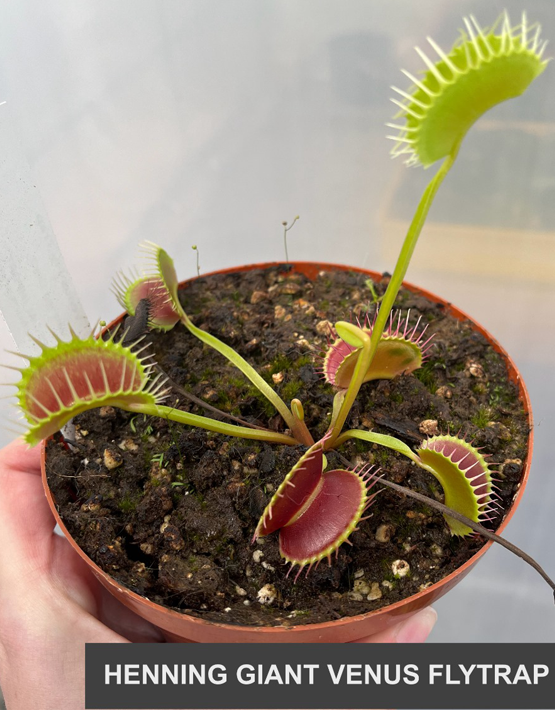
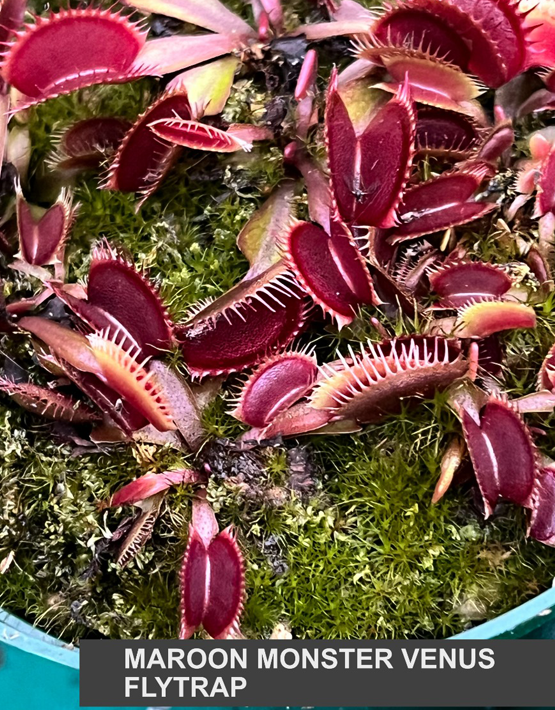
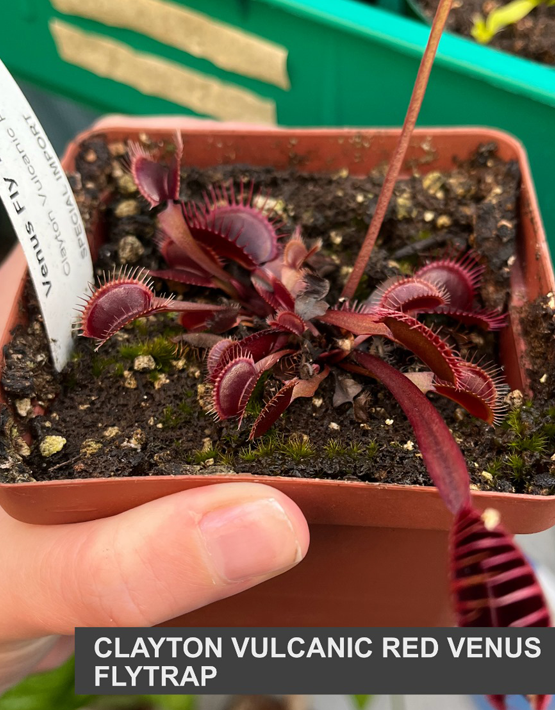
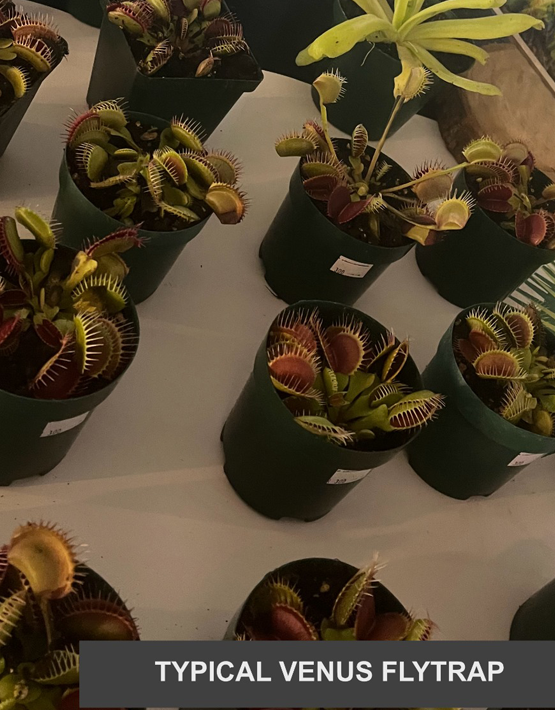
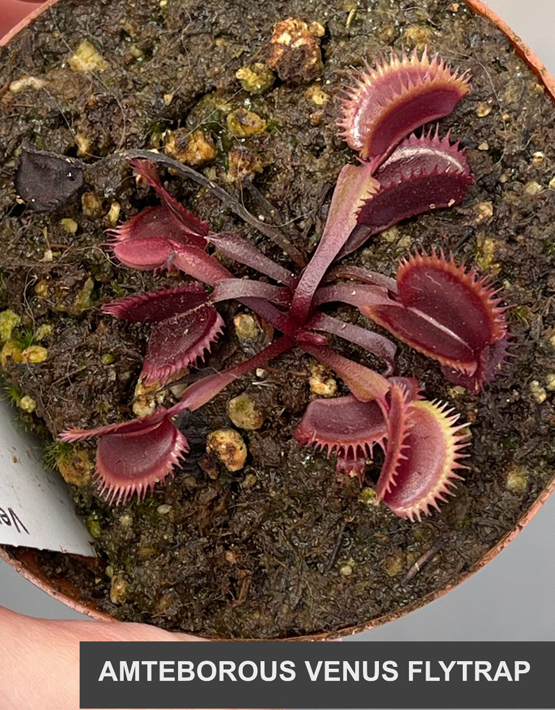
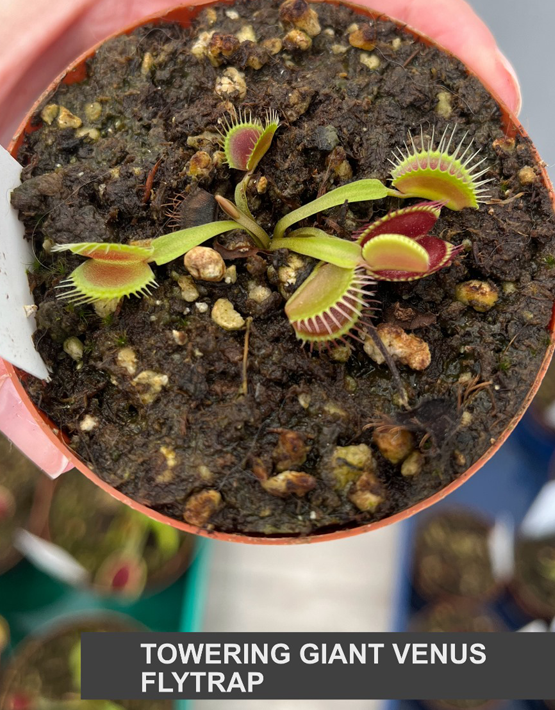
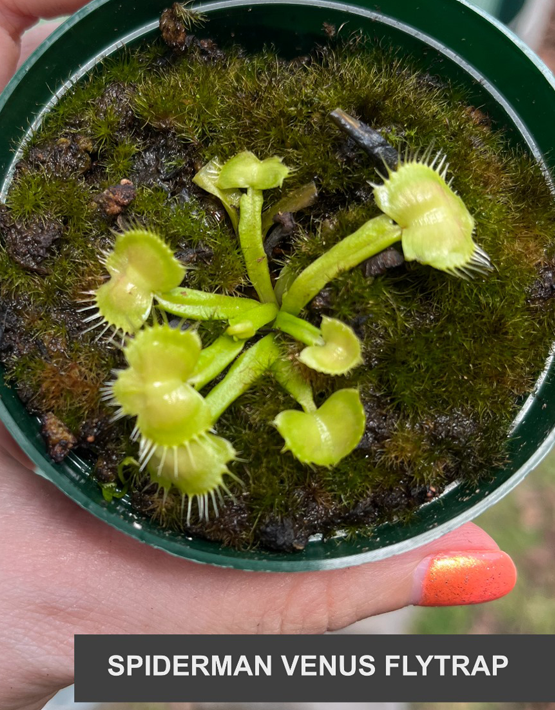
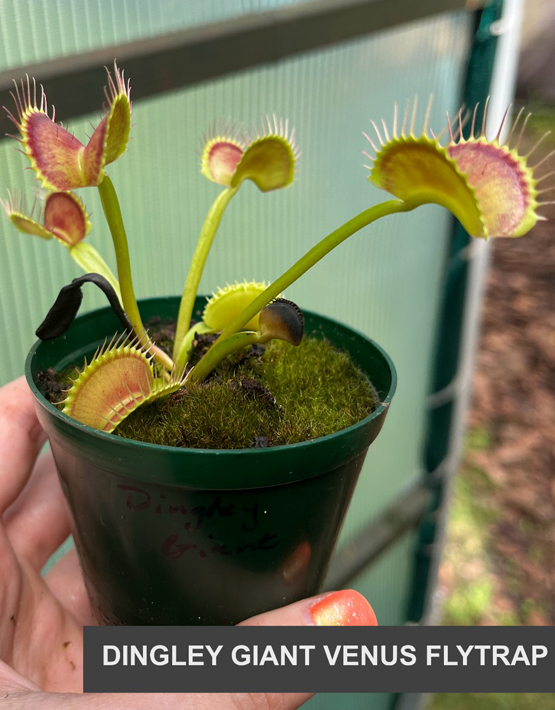
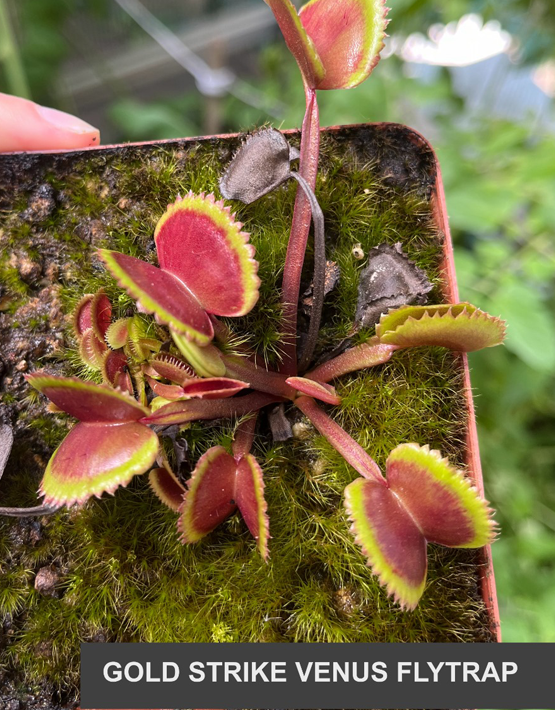
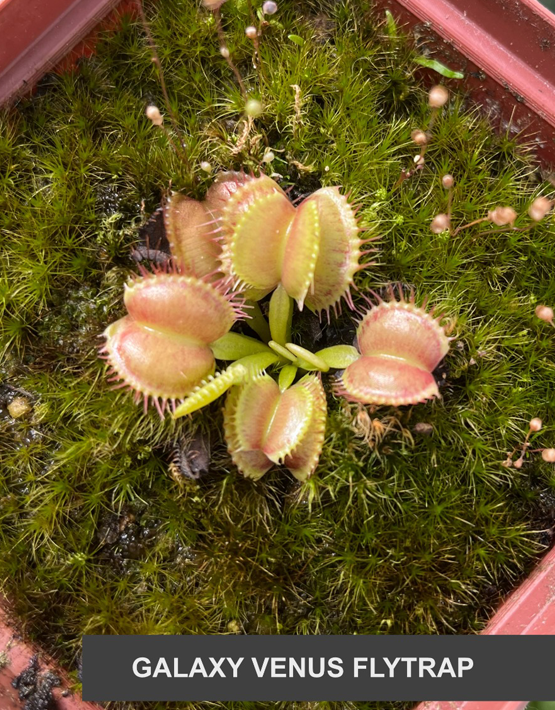
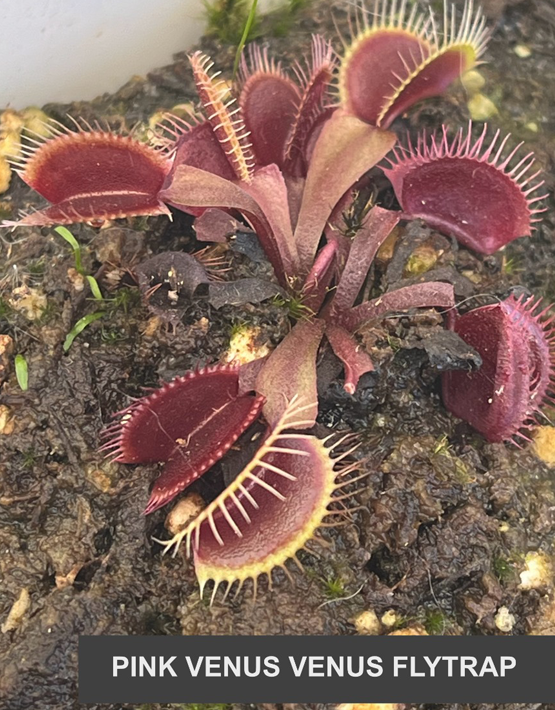
The Venus Flytrap is best known for its ability to trap and digest flying and crawling insects (including slugs.) During the growing season each plant grows 4-7 leaves from the growth point just above the soil level where from these leaves a trap will develop at the end. Each trap is lined with 3-5 trigger hairs that snap shut when touched by the insect. The trap is fused on one end and acts like jaws trapping its prey inside and then begin to release enzymes that will draw out the nutrients from the insect for the next week.