

Catalogue
Butterworts

Pinguicula - Butterworts
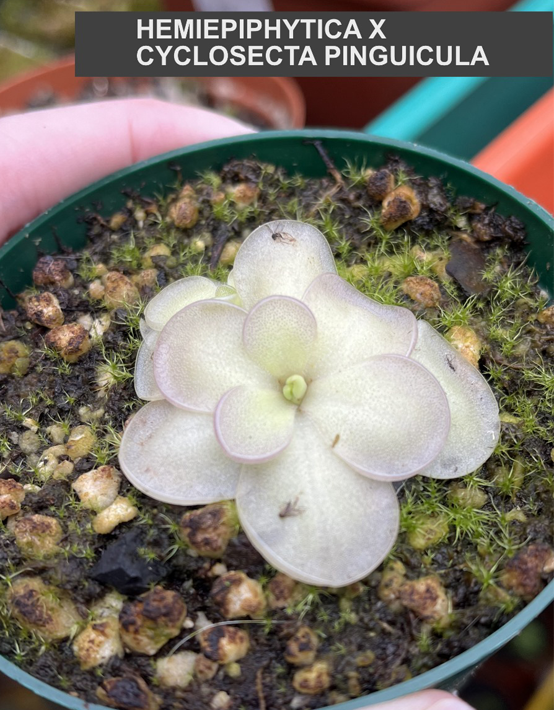
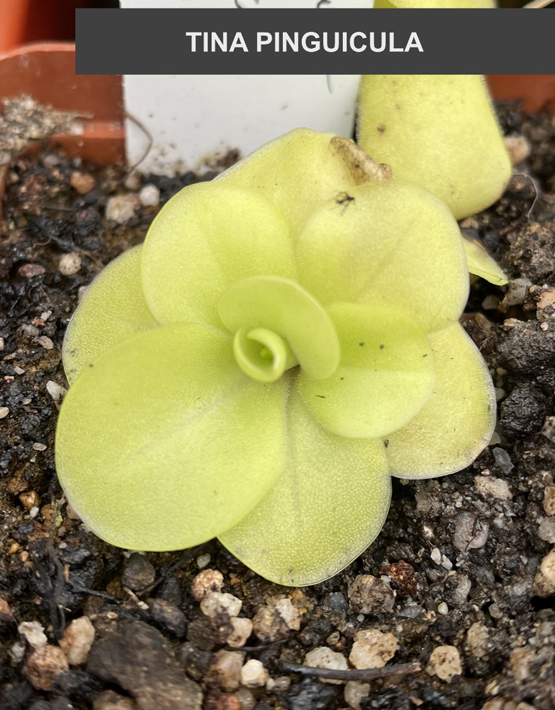
In Latin the name Pinguicula means “little greasy one” and is due to their distinctive buttery or greasy feel. Butterworts are found throughout the northern hemisphere from Siberia to North America with growth southwards into central and South America. Mexico is home to the widest variety of butterworts where dozens of new species have been discovered in the last 20 years.
Pinguicula - Butterworts
In Latin the name Pinguicula means “little greasy one” and is due to their distinctive buttery or greasy feel. Butterworts are found throughout the northern hemisphere from Siberia to North America with growth southwards into central and South America. Mexico is home to the widest variety of butterworts where dozens of new species have been discovered in the last 20 years.
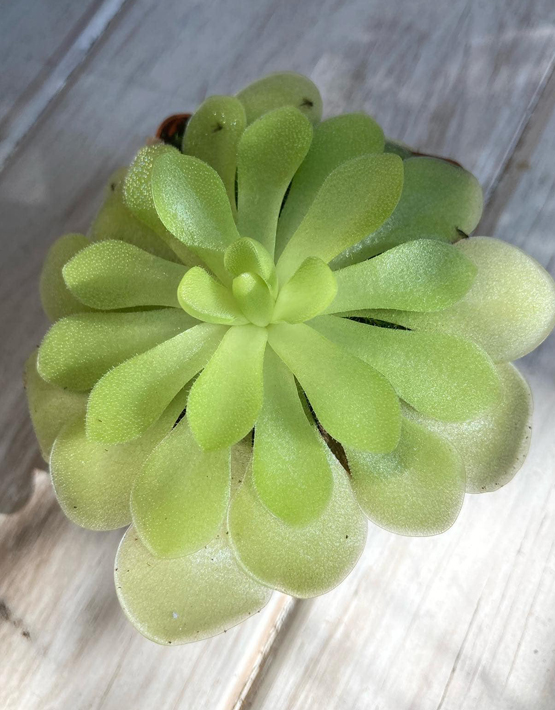
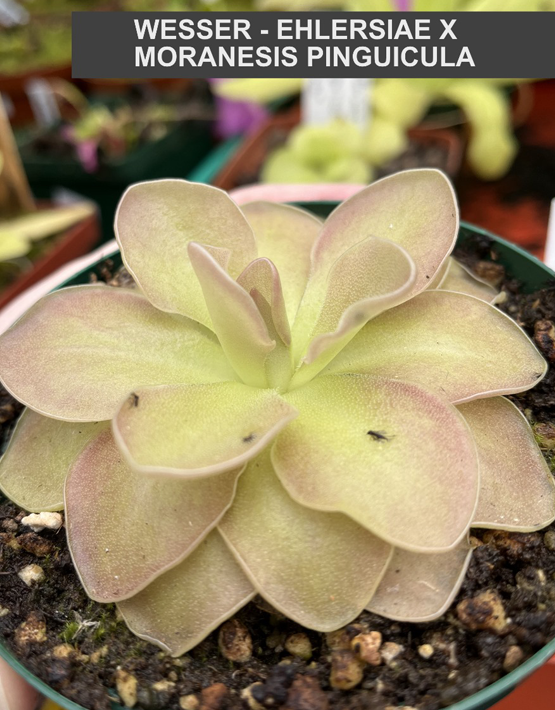
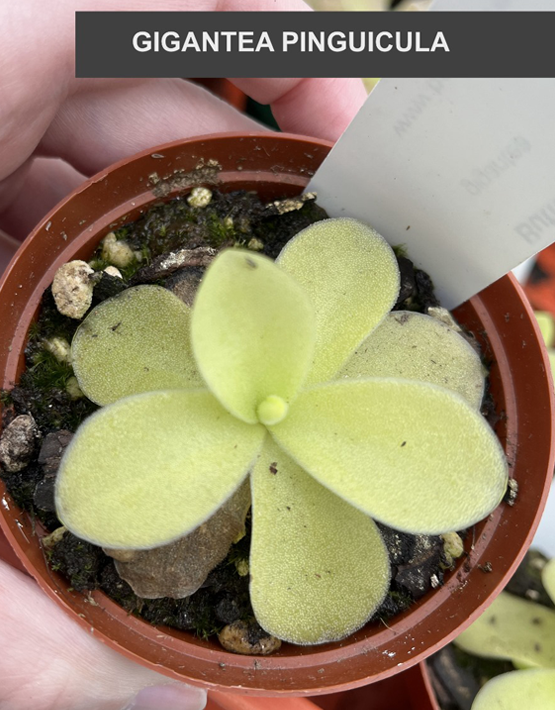
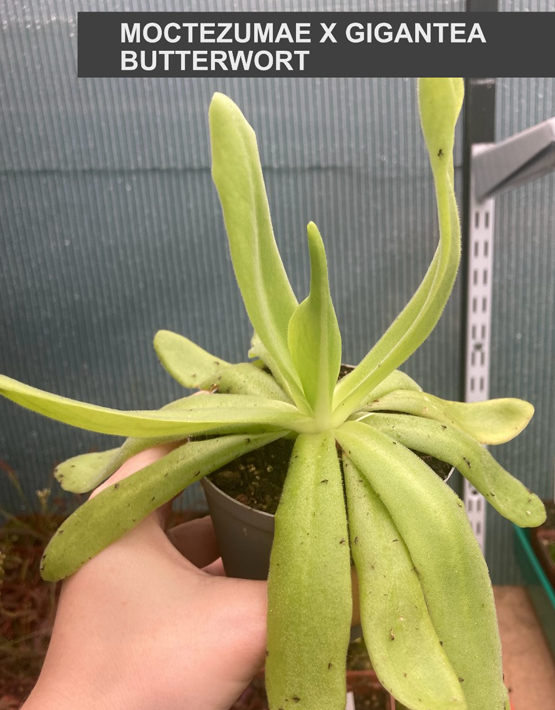
Butterworts are small herbaceous plants that produce rosettes of usually flat leaves and often with upturned margins. The leaf surface is covered in minute, sticky hairs that catch small prey like gnats, fruit flies and springtails. Sessile glands secrete a liquid of enzymes and acids that rapidly overcome and dissolve the insect. This mineral-rich soup is then absorbed by the plant.
Butterworts found in cold winter climates hibernate as small buds looking more like a small succulent. Species from Mexico turn into non-carnivorous succulent plants during the subtropical winter dry season.
Butterworts are most famous for their beautiful, often long-lasting flowers which are hummingbird pollinated in the wild.